

In modern buildings, controlling unwanted noise has become just as important as managing lighting or ventilation. From busy offices to residential apartments near highways, excessive sound can disrupt comfort and focus. Acoustic Doors, often referred to as soundproof doors, are specially designed solutions that help reduce noise transmission and create calm, functional spaces.
Understanding Acoustic Doors
An Acoustic Door is a purpose-built door system developed to limit the movement of sound from one area to another. Unlike standard doors, which are mainly designed for access and security, Acoustic Doors are engineered using sound-insulating materials and precision sealing systems. Their effectiveness is measured using the Sound Transmission Class (STC) rating, which indicates how well the door blocks airborne sound.
How Acoustic Doors Control Noise
Sound travels through air and small gaps around door frames. Acoustic Doors reduce this problem by using a combination of heavy door panels, internal insulation, and airtight sealing. The solid core restricts sound vibrations, while acoustic infill materials absorb noise energy. Specialized seals around the frame and at the bottom of the door prevent sound leakage, ensuring consistent acoustic performance.
Key Characteristics of Acoustic Doors
- Enhanced Sound Insulation: Designed to significantly reduce noise levels between rooms
- Solid and Dense Core: Manufactured using materials that limit sound transmission
- Precision Sealing System: Acoustic gaskets and drop seals close all air gaps
- Custom Design Options: Available in various sizes, finishes, and configurations
- Fire-Rated Options: Can be combined with fire resistance for added safety
Common Uses of Acoustic Doors
Because of their effectiveness, acoustic doors are widely installed in:
- Recording and rehearsal studios
- Corporate offices and meeting rooms
- Hospitals, clinics, and laboratories
- Schools, colleges, and libraries
- Hotels, cinemas, and auditoriums
- Residential buildings exposed to high noise levels
Types of Acoustic Door
Metal Acoustic Door
A Metal Acoustic Door is a specially engineered door system designed to provide superior noise reduction along with high strength and durability. These doors are widely used in environments where effective sound insulation, safety, and long-term performance are critical. With a robust metal construction and advanced acoustic design, metal acoustic doors offer reliable noise control for both industrial and commercial applications.
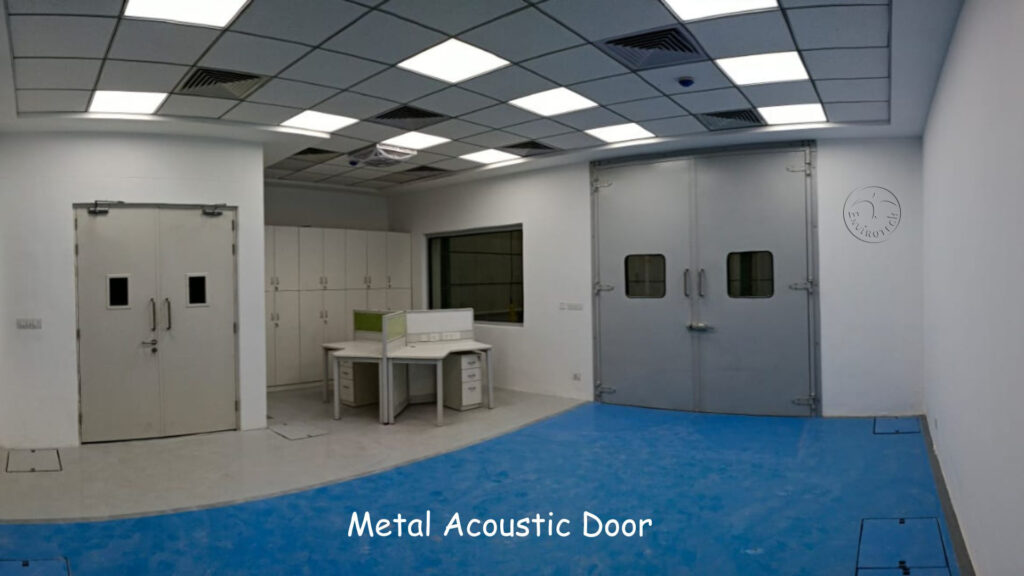
A metal acoustic door is manufactured using a solid metal or steel outer shell combined with internal sound-absorbing and sound-blocking materials. Unlike standard metal doors, acoustic versions are designed to reduce airborne sound transmission through the door leaf, frame, and gaps. Their performance is measured by Sound Transmission Class (STC) ratings, ensuring proven and tested soundproofing capabilities.
Wooden Acoustic Door
A Wooden Acoustic Door is a specially designed door system that combines excellent sound insulation with the warm and elegant appearance of wood. These doors are ideal for spaces where noise control is essential without compromising on interior design. With advanced acoustic engineering and high-quality wooden construction, wooden acoustic doors provide reliable soundproofing for both commercial and residential environments.
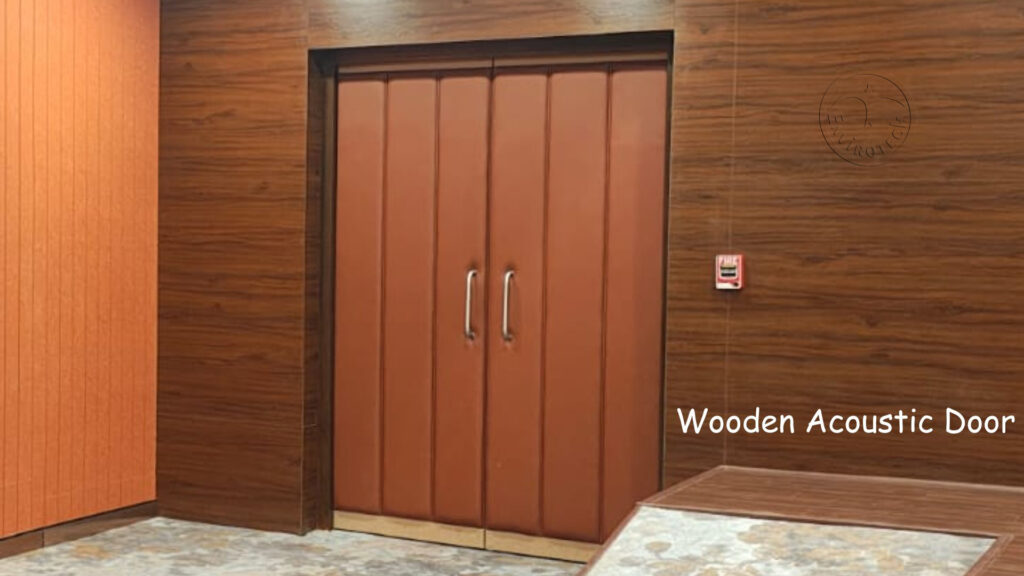
A wooden acoustic door is manufactured using a solid or engineered wooden framework integrated with sound-absorbing and sound-blocking materials. Unlike standard Fire doors, acoustic versions are designed to reduce airborne sound transmission through the door panel, frame, and gaps. Their effectiveness is measured using Sound Transmission Class (STC) ratings, ensuring verified acoustic performance.
Wooden Acoustic Doors work by combining material density, internal acoustic insulation, and airtight sealing systems. The thick wooden door leaf restricts sound vibrations, while internal layers absorb sound energy.